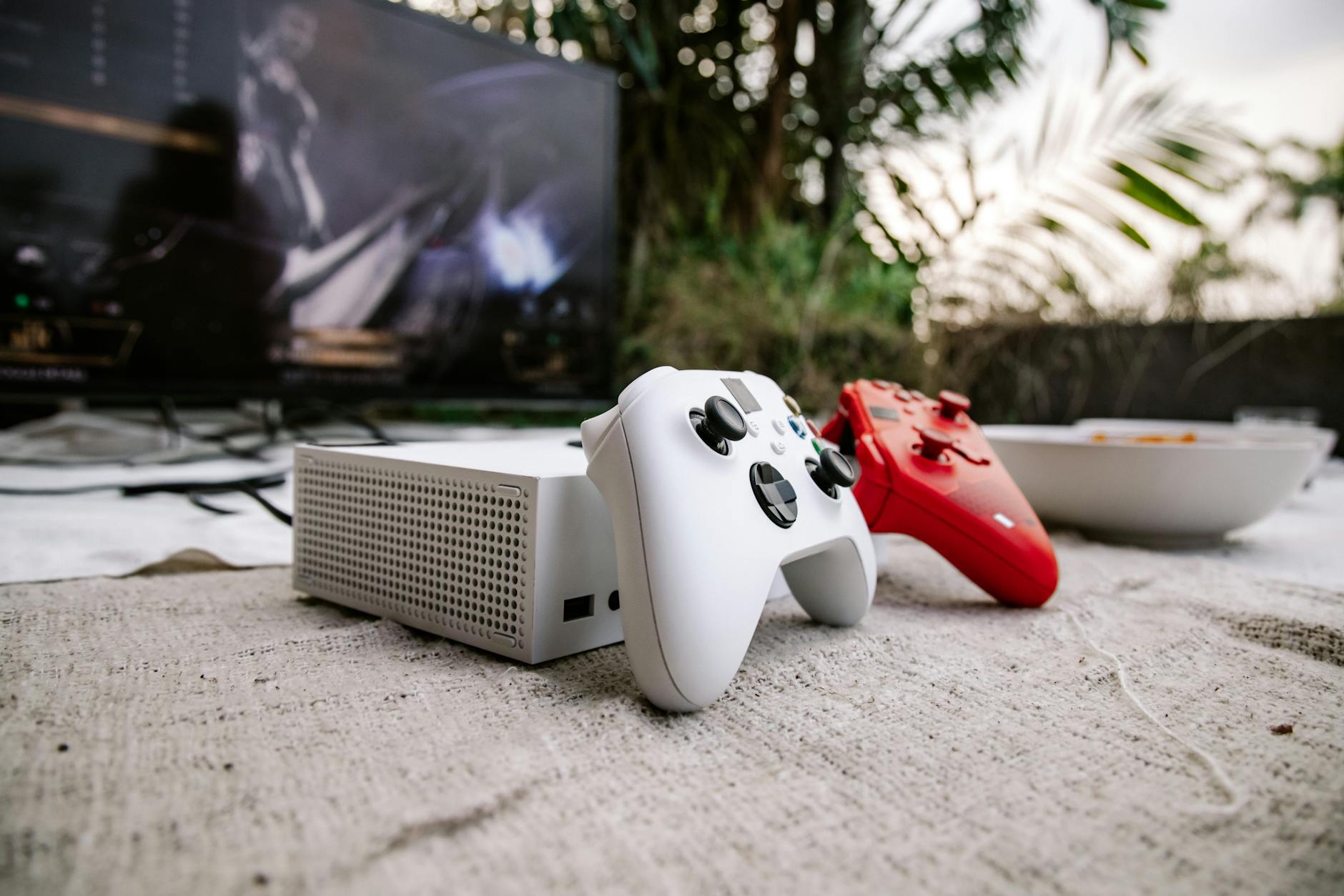
Cloud gaming represents a significant shift in how we experience video games, leveraging the power of remote servers to deliver games directly to players without requiring expensive hardware. This evolving technology allows gamers to play high-quality titles on various devices, including smartphones, tablets, and low-end PCs, transforming the traditional gaming landscape.
As the industry grows, understanding the technology behind cloud gaming, its advantages, and potential future developments becomes crucial for both players and developers.
Understanding the Technology Behind Cloud Gaming
At its core, cloud gaming utilizes powerful servers to run games and stream the content in real-time to users over the internet. This method relies on high-speed internet connections and low-latency networks to ensure that gameplay is smooth and responsive. Technologies such as virtualization and content delivery networks (CDNs) play vital roles in optimizing performance and reducing lag, allowing players to enjoy rich gaming experiences without the need for local installations.
Benefits of Cloud Gaming
One of the primary advantages of cloud gaming is accessibility. Players no longer need to invest heavily in specialized gaming consoles or PCs. For instance, services like NVIDIA GeForce NOW and Google Stadia allow gamers to play demanding titles without high-end equipment. A stable internet connection becomes the only requirement, making gaming more inclusive.
Moreover, cloud gaming eliminates the hassle of downloading large game files and installing updates. Players can instantly access their favorite titles, which not only saves time but also enhances the overall gaming experience.
Challenges Facing Cloud Gaming
Despite its numerous benefits, cloud gaming faces significant challenges. Latency is a major concern, as even slight delays can disrupt gameplay, particularly in fast-paced or competitive environments. To address this, companies are investing in edge computing, which brings computing resources closer to the user to minimize lag.
Another challenge is the need for consistent high-speed internet access. In regions with poor connectivity, cloud gaming may not be a viable option, limiting its reach and potential user base.
Future Trends in Cloud Gaming
Looking ahead, the future of cloud gaming appears promising. As 5G technology becomes more widespread, the potential for lower latency and higher speeds will enhance the overall experience. Furthermore, advancements in artificial intelligence could lead to smarter algorithms that optimize streaming performance based on user behavior and network conditions.
In addition, the integration of cloud gaming with virtual and augmented reality technologies could create immersive experiences that were previously unimaginable. With the continued evolution of cloud infrastructure, we may soon see seamless transitions between gaming on different devices, empowering players to enjoy their games anytime, anywhere.