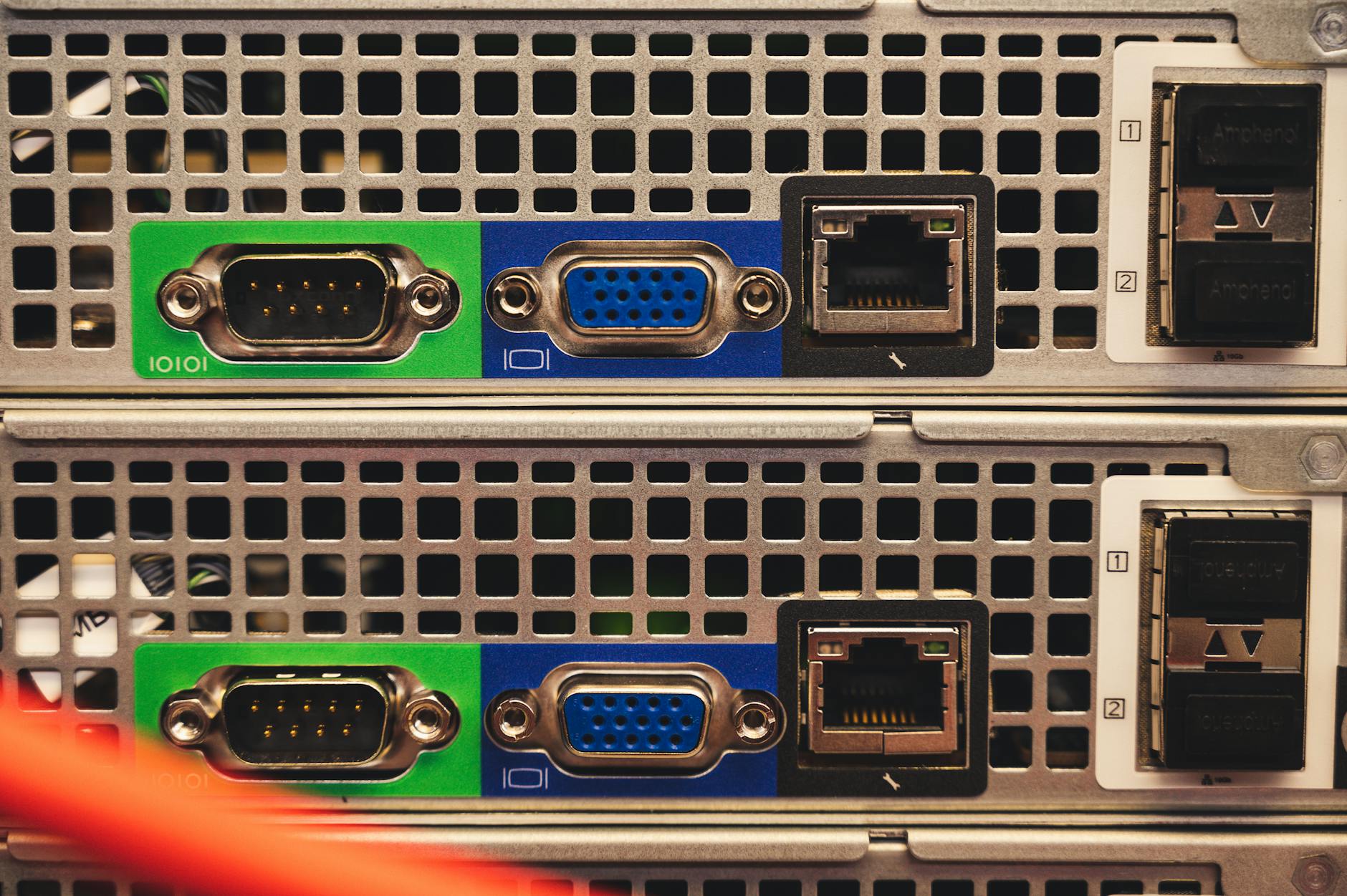
The rapid evolution of online gaming has transformed it into one of the most lucrative sectors in the entertainment industry. With millions of players connecting globally, the underlying infrastructure is critical to delivering seamless experiences. Understanding the key components of this infrastructure is paramount for developers, publishers, and players alike, as it directly affects latency, game performance, and user satisfaction.
Online gaming infrastructure encompasses various elements, including servers, data centers, content delivery networks, and network protocols. Each of these components works together to provide a stable and responsive gaming experience.
Understanding Server Types in Gaming
At the core of online gaming is the server architecture, which can be classified mainly into dedicated servers, peer-to-peer systems, and cloud gaming platforms. Dedicated servers host games that allow multiple players to connect to a single server for consistent performance. This is crucial for competitive gaming where latency can determine the outcome of matches. According to a report by Cisco, the global gaming traffic is expected to reach 20.5 terabits per second by 2023, highlighting the demand for robust server architectures.
Role of Data Centers
Data centers play an equally important role by providing the physical location for servers. These centers need to be strategically located to minimize latency for players across various regions. For instance, companies like Amazon Web Services and Microsoft Azure offer cloud solutions specifically tailored for gaming applications. By leveraging edge computing, they ensure that data processing occurs as close to the user as possible, significantly enhancing responsiveness.
Content Delivery Networks and Their Importance
Content Delivery Networks (CDNs) are essential for distributing game updates, patches, and downloadable content efficiently. CDNs cache content geographically closer to players, ensuring that download times are minimized. Akamai, one of the leading CDN providers, reports that games can reduce latency by up to 50% using their global network, which is especially critical during high-demand periods such as game launches.
Network Protocols and Their Impact
Lastly, the choice of network protocols can significantly affect gameplay quality. The User Datagram Protocol (UDP) is often preferred for real-time gaming due to its speed and efficiency, even though it does not guarantee delivery. Understanding how to optimize these protocols can help developers achieve lower ping rates, enhancing the overall gaming experience. For example, games like Fortnite utilize UDP to ensure smoother gameplay during fast-paced action sequences.
In conclusion, the online gaming infrastructure is a complex ecosystem that requires careful consideration and investment to keep up with the demands of an ever-growing player base. By understanding each component’s role, stakeholders can better navigate the challenges of this dynamic field, ensuring a high-quality experience for all users.