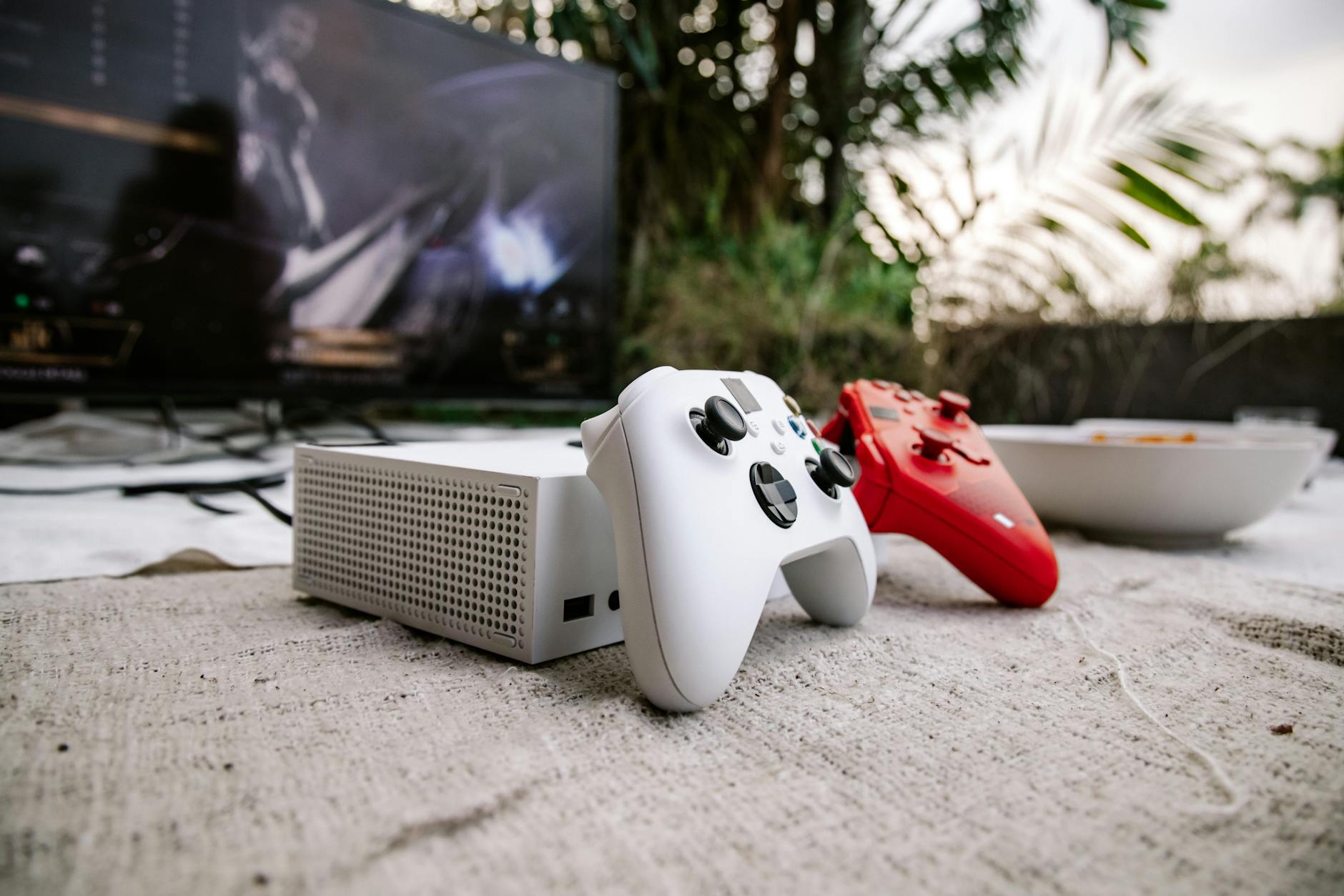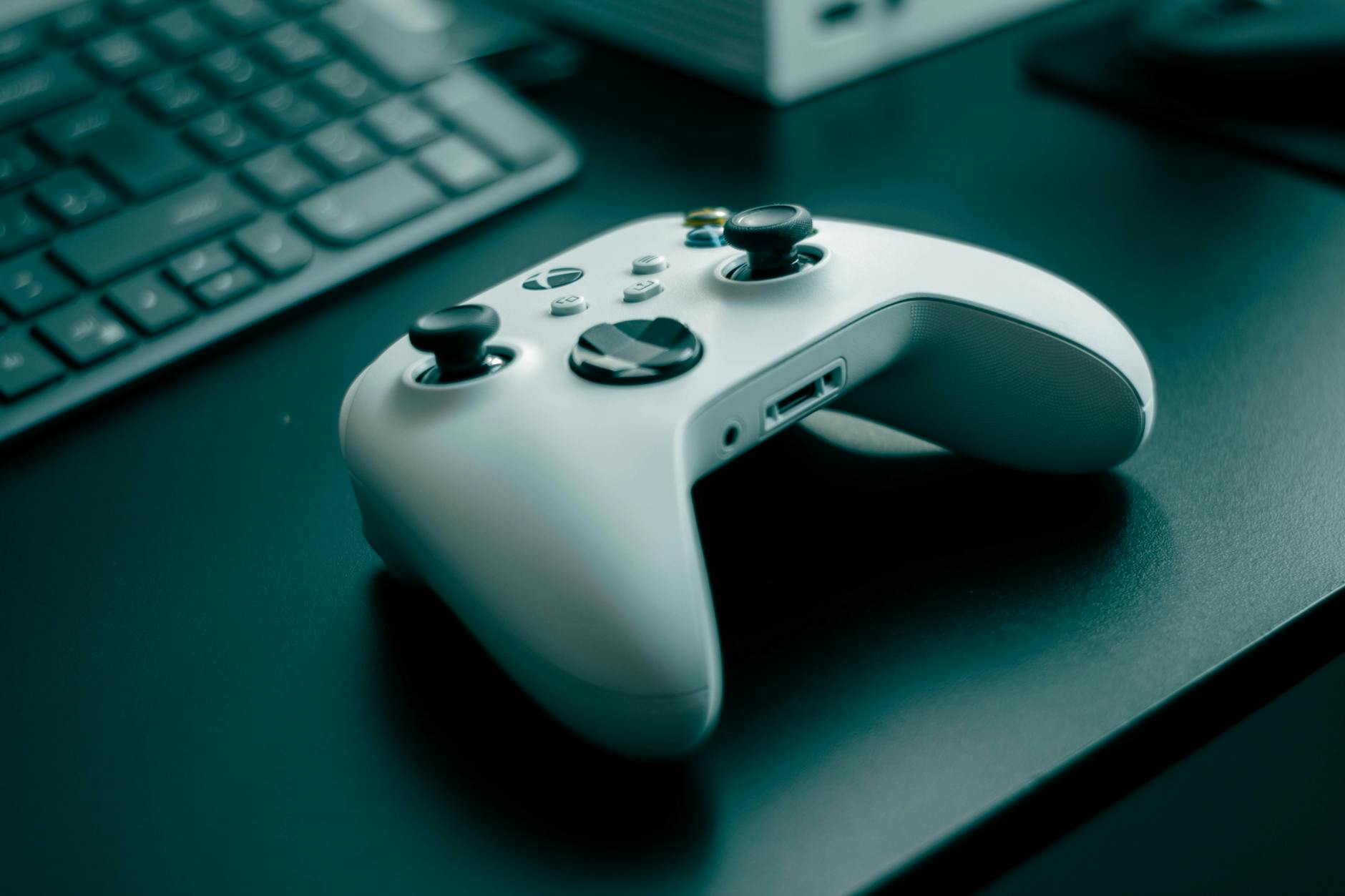
Cloud gaming has emerged as a game-changer in the video game industry, transforming how players access and enjoy their favorite titles. By leveraging cloud computing technology, users can stream games directly to their devices without the need for high-end hardware. This evolution not only democratizes gaming but also offers unparalleled flexibility and convenience.
With advancements in internet connectivity and streaming technology, the landscape of cloud gaming is rapidly changing. In 2023, we see a growing number of platforms entering the market, each striving to provide seamless experiences and a broad library of games. This article delves into the nuances of cloud gaming technology and its impact on the industry.
How Cloud Gaming Works
At the core of cloud gaming is the principle of remote server processing. Instead of relying on local hardware to run games, processing tasks occur on powerful servers in data centers. Players interact with these games via streaming services that send video and audio feeds to their devices in real time. This method significantly reduces the cost of entry for players who may not own expensive gaming consoles or PCs.
The Role of Latency and Bandwidth
One of the primary challenges faced by cloud gaming is latency, which refers to the delay between player input and the game’s response. High latency can result in a frustrating gaming experience, particularly in fast-paced genres such as first-person shooters. To mitigate this, providers are investing in edge computing strategies, deploying servers closer to users to reduce lag. A report from the International Telecommunications Union suggests that improving internet speeds globally will further enhance the cloud gaming experience.
Major Players in Cloud Gaming
Several key players have shaped the cloud gaming market, with Google Stadia, Microsoft’s Xbox Cloud Gaming, and NVIDIA GeForce NOW leading the charge. Each platform offers unique features, such as Xbox’s integration with the Game Pass service, which provides access to a vast library of games for a monthly fee. Additionally, newer entrants like PlayStation Now and Amazon Luna are gaining traction, reflecting the competitive nature of the industry.
Future Trends and Innovations
Looking ahead, the cloud gaming sector is poised for significant growth. Emerging technologies like 5G networks promise to enhance streaming quality and reduce latency, making cloud gaming more viable for users in remote areas. Furthermore, advancements in artificial intelligence and machine learning are expected to personalize gaming experiences, recommending titles based on player behavior and preferences.
Impact on Game Development
The rise of cloud gaming is reshaping game development itself. Developers are increasingly focusing on creating games that are optimized for streaming rather than traditional hardware. This shift encourages innovative game design and mechanics that leverage the cloud’s capabilities. For instance, games can feature more dynamic environments, as server-side processing allows for complex calculations that would overwhelm local devices.
Conclusion
Cloud gaming technology is not just a trend but a fundamental shift in the way we engage with games. As infrastructure improves and more players enter the market, the potential for this technology is enormous. By understanding the inner workings and future directions of cloud gaming, both developers and players can better prepare for the exciting changes ahead.