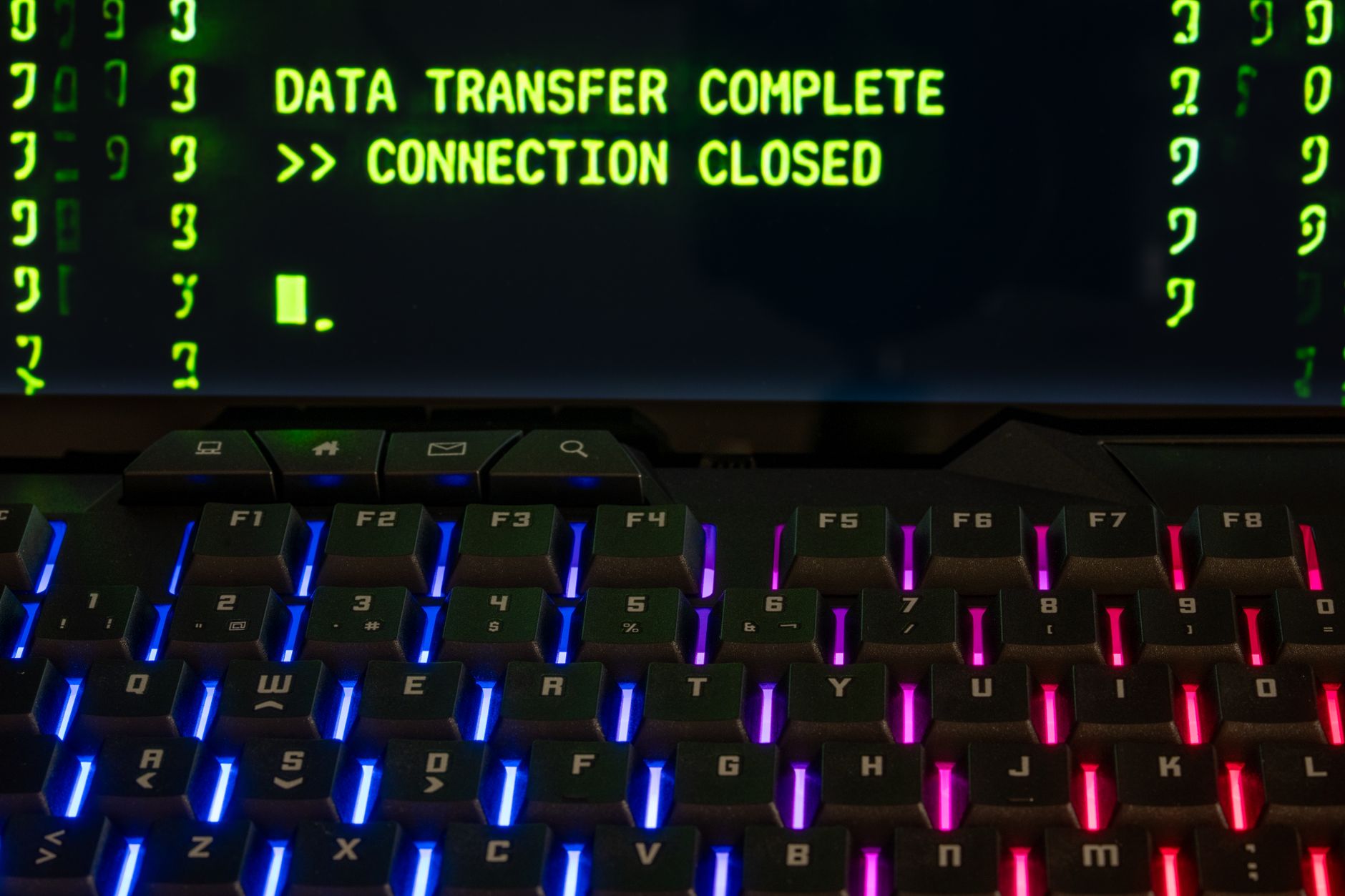
The rise of online gaming has transformed the landscape for both players and developers, presenting new opportunities and challenges. As players immerse themselves in expansive virtual worlds, the importance of data security becomes paramount. With sensitive information at risk, including personal details and payment data, understanding how to safeguard this information is crucial for a safe gaming experience.
Data breaches in the gaming industry are not uncommon. A 2020 report by the cybersecurity firm Akamai revealed that gaming-related attacks increased by 340% during that year alone. This alarming statistic underscores the need for robust security measures to protect players and maintain trust in gaming platforms.
Understanding Common Threats to Online Game Security
There are several prevalent threats that gamers face, including phishing attacks, account hacking, and data leaks. Phishing attacks often involve fraudulent communications masquerading as legitimate requests for account information. This can lead to significant financial loss and personal data exposure.
Additionally, account hacking is a major concern. Many gamers use weak passwords or the same password across multiple platforms, making it easier for hackers to gain access. According to a study by LastPass, 81% of data breaches are due to weak passwords. This highlights the need for players to adopt stronger password practices and take advantage of features like two-factor authentication.
Best Practices for Players to Protect Their Data
To enhance data security, players should implement several best practices. First, using a unique and complex password for each gaming account is essential. A password manager can assist in this regard, allowing users to create and store complex passwords securely.
Second, enabling two-factor authentication (2FA) adds an extra layer of protection. This requires a second form of verification beyond just a password, significantly reducing the risk of unauthorized access.
Developers’ Responsibilities in Ensuring Security
While players must take precautions, game developers also play a critical role in data security. Developers should adhere to industry standards for data protection, such as the General Data Protection Regulation (GDPR) and the Payment Card Industry Data Security Standard (PCI DSS). Implementing end-to-end encryption for sensitive data and regularly updating security protocols can help mitigate risks.
Moreover, educating players about potential threats and security measures is vital. Developers can create awareness through in-game notifications or dedicated support pages that guide players on how to protect their accounts.
The Future of Data Security in Online Gaming
As online gaming continues to evolve, so too must the strategies to protect player data. Emerging technologies like artificial intelligence and machine learning can assist in identifying and mitigating threats in real-time. By analyzing player behavior, these technologies can detect unusual activities and prevent potential breaches before they occur.
Ultimately, both players and developers share the responsibility of ensuring a secure gaming environment. By staying informed and proactive, the gaming community can significantly enhance data security and enjoy the immersive experiences that online gaming has to offer.