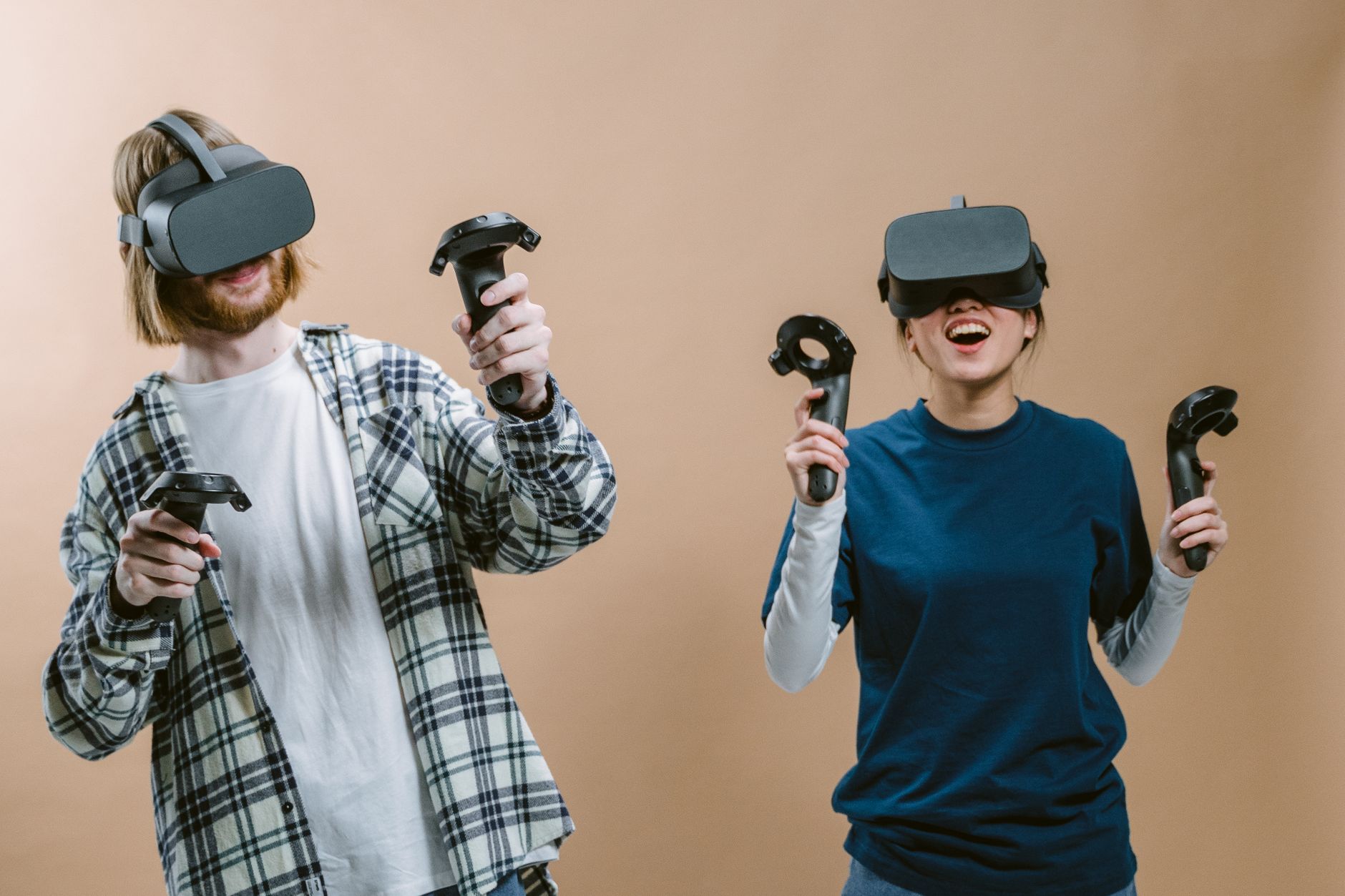
The rapid advancement of technology has transformed how players engage in interactive experiences. Real-time multiplayer technology is at the forefront of this evolution, facilitating seamless interactions and connectivity among users around the globe. This technology is not only crucial in gaming but also in applications like virtual reality, education, and collaborative workspaces.
Understanding the underlying mechanisms that enable real-time multiplayer experiences can greatly enhance both development and user engagement. Below, we explore key components, challenges, and innovations in this field.
Understanding Network Architecture
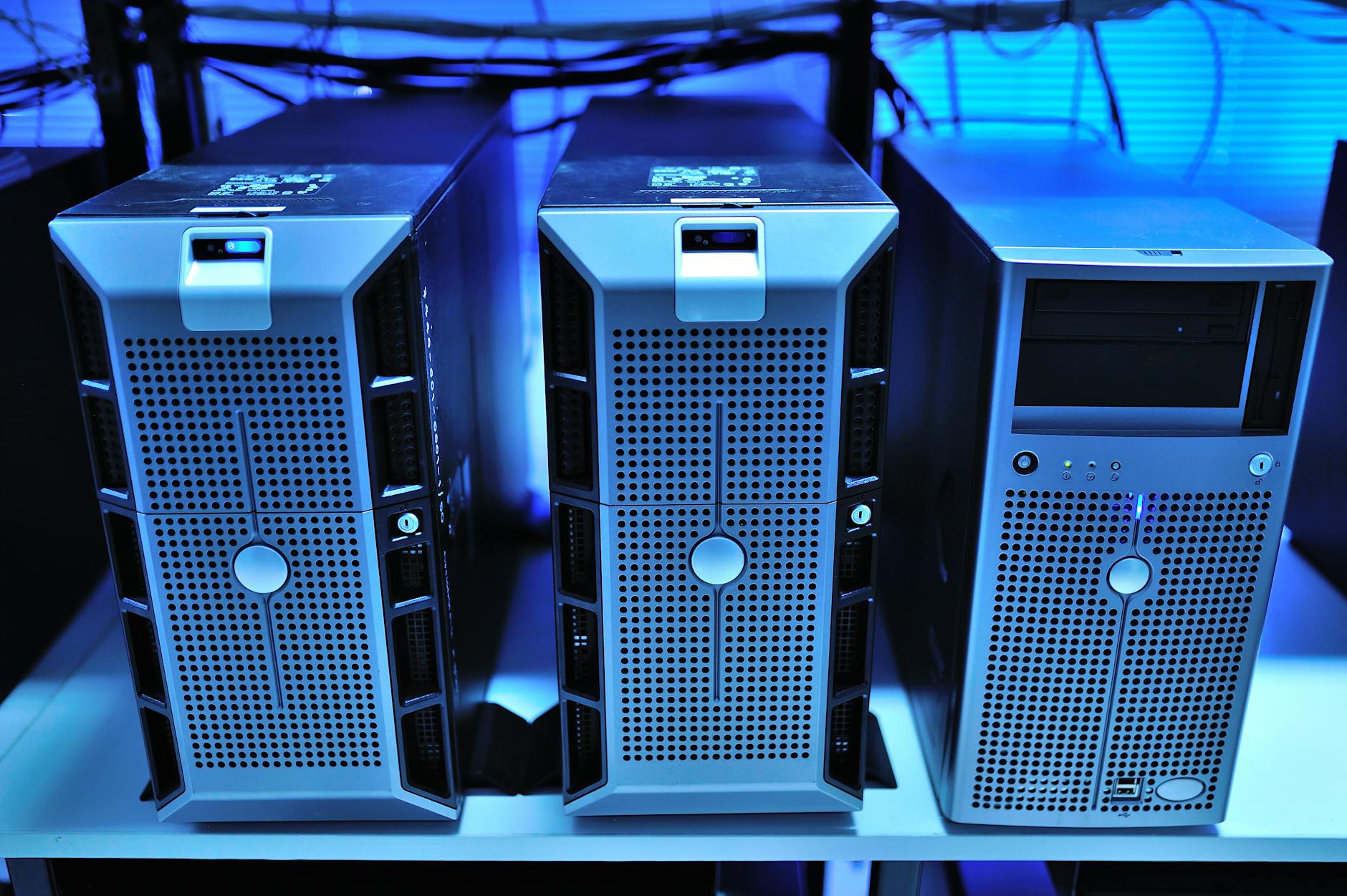
The backbone of real-time multiplayer technology is its network architecture. Most commonly, developers employ client-server models or peer-to-peer setups. In a client-server model, players connect to a central server that manages game state, ensuring synchronization across all clients. This setup simplifies state management but can suffer from latency issues.
On the other hand, peer-to-peer networks allow players to connect directly, reducing latency. However, they can face challenges with NAT traversal and security. Recent developments in WebRTC technology have greatly improved peer-to-peer connections, enabling better real-time communication in web-based applications.
Latency and Synchronization Challenges
One of the significant challenges in real-time multiplayer technology is latency. High latency can lead to a lag between a player’s actions and the server’s response, significantly impacting gameplay. Techniques such as lag compensation and predictive modeling help mitigate these effects. For example, some games implement client-side prediction, where the client anticipates the server’s response based on previous inputs, thus providing a smoother experience.
Synchronization is equally crucial. Techniques such as snapshot interpolation or state reconciliation are employed to ensure all players experience the same game state simultaneously. For instance, in a first-person shooter, if one player sees an enemy and fires, the other players should see the same event without delay.
Emerging Trends and Technologies
As technology continues to evolve, several trends are shaping the future of real-time multiplayer experiences. Cloud gaming is one such development, allowing users to play resource-intensive games on less powerful devices through streaming. This shifts the focus from local hardware to server-side processing power, effectively democratizing access to high-quality gaming experiences.
Furthermore, artificial intelligence is increasingly being integrated into multiplayer environments. AI can manage non-player characters (NPCs), create adaptive game scenarios, and even assist in matchmaking, ensuring a balanced experience for players of varying skill levels. This ongoing integration of AI and machine learning techniques promises to revolutionize player engagement and game design.
Conclusion
The landscape of real-time multiplayer technology is rich with opportunities and challenges. By understanding the intricacies of network architecture, latency mitigation, and emerging trends, developers can create more immersive and engaging experiences. As the demand for interactive technologies continues to grow, mastering these elements will be essential for anyone looking to thrive in this dynamic field.