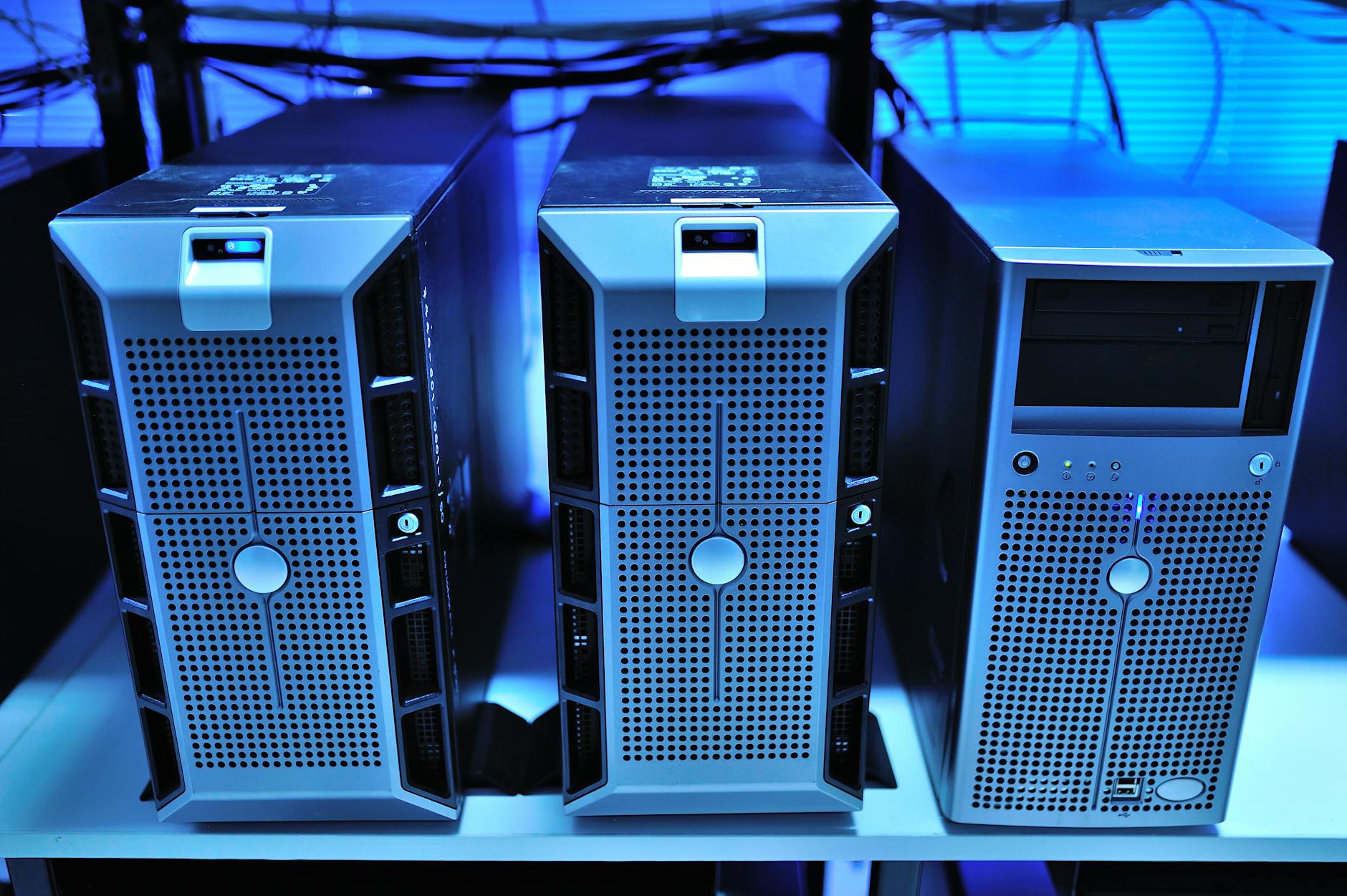
In the realm of game development, understanding server architecture is crucial for delivering a seamless player experience. Game servers manage vast amounts of data and interactions in real-time, making their design pivotal to a game’s performance and reliability. This article uncovers the intricacies of server architecture tailored for games, providing insights into establishing robust systems that support both single-player and multiplayer experiences.
From scalability to fault tolerance, various components must be taken into account when designing a game server architecture. This article delves into essential architectural patterns, infrastructure choices, and best practices that can help developers optimize performance and user satisfaction.
Understanding Game Server Types
There are primarily three types of game servers: dedicated, listen, and peer-to-peer. Dedicated servers operate independently, hosting the game environment and managing player sessions, while listen servers combine the roles of client and server, making them less powerful. Peer-to-peer servers distribute the server load among players, which can lead to latency issues and security risks. Understanding these types allows developers to make informed decisions based on their game’s requirements.
Scalability and Load Balancing
Scalability is a cornerstone of effective server architecture. As a game gains popularity, it must handle increased player loads without sacrificing performance. Implementing load balancing techniques ensures that incoming requests are evenly distributed across servers. For example, cloud services such as Amazon Web Services or Google Cloud Platform offer auto-scaling capabilities, adjusting resources based on real-time demand. This dynamic adjustment is critical for maintaining optimal performance during peak usage times.
Data Management and Storage Solutions
Efficient data management is essential for game servers, especially in multiplayer scenarios where player interactions generate significant data. Choosing between SQL and NoSQL databases can impact performance; SQL offers structured data storage ideal for complex queries, while NoSQL provides flexible schemas better suited for rapidly changing data. For instance, a game like Fortnite utilizes a combination of data storage solutions to manage player inventories and game states effectively.
Security Considerations
Game servers are prime targets for malicious attacks, including DDoS attacks, data breaches, and cheating exploits. Implementing robust security measures is essential. Firewalls, encryption, and regular security audits can help protect server infrastructure. Additionally, employing anti-cheat mechanisms not only enhances gameplay integrity but also preserves the gaming environment for all players.
Real-World Examples of Server Architecture
Consider the architecture used by titles like World of Warcraft or League of Legends. Both games leverage a combination of dedicated servers and regional data centers to minimize latency. They use multiple server clusters to segregate game functions-like matchmaking, game state management, and user authentication-allowing for optimized performance. These real-world examples illustrate how strategic architectural choices can enhance the overall gaming experience.
In summary, effective game server architecture combines an understanding of server types, scalability, data management, and security. By employing best practices and learning from industry examples, developers can create resilient and efficient game environments that cater to evolving player needs.