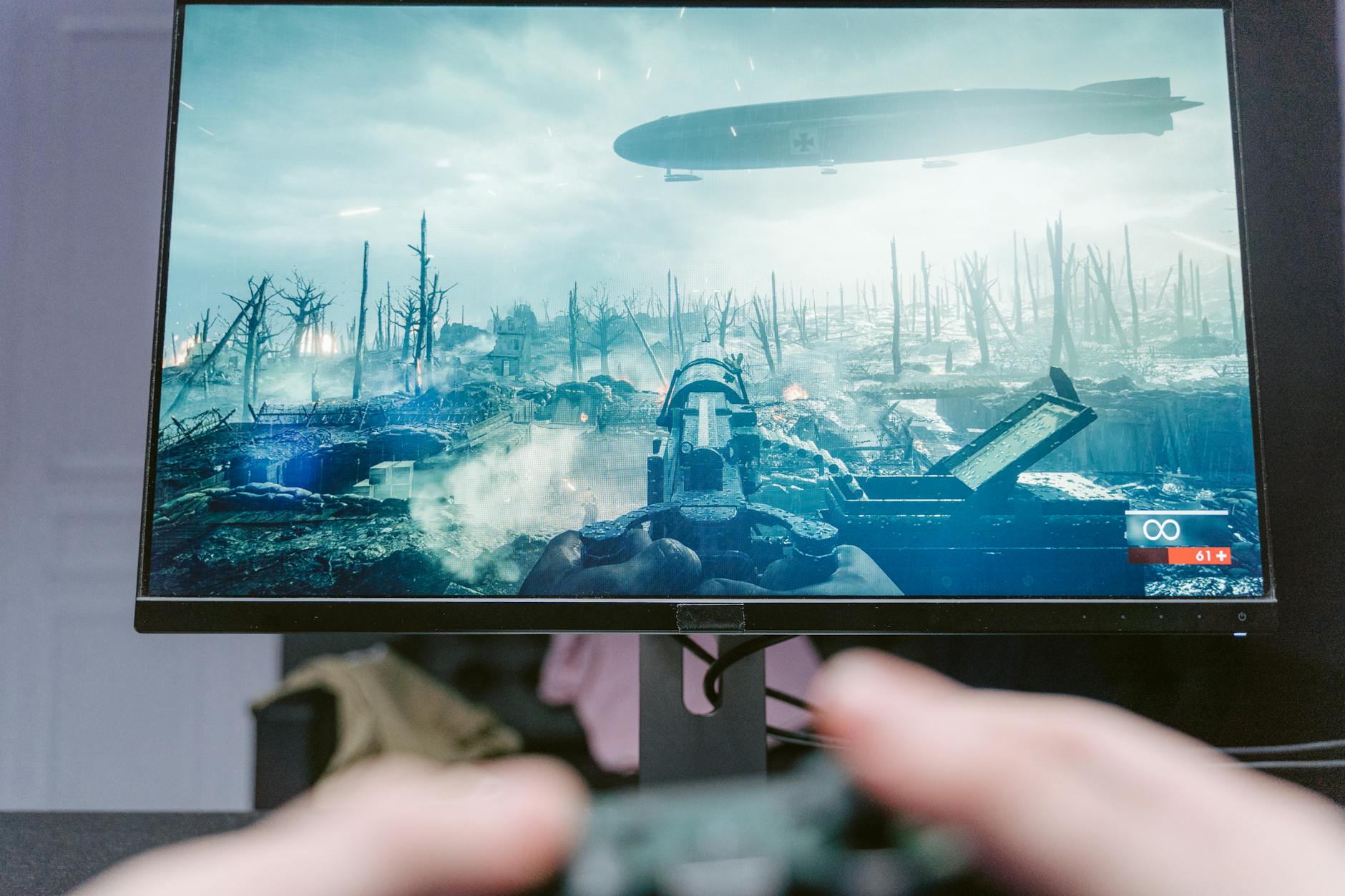
In recent years, cloud gaming has emerged as a revolutionary paradigm in the gaming industry, eliminating the need for expensive hardware and complex setups. This technology harnesses powerful servers to stream games over the internet, allowing players to enjoy high-quality gaming experiences on a variety of devices, including smartphones and tablets. As gaming continues to evolve, understanding cloud gaming technology is essential for both developers and players alike.
The appeal of cloud gaming lies in its accessibility and convenience. However, it is important to recognize the underlying technologies and challenges that make it possible. This guide delves into the various aspects of cloud gaming, offering insights into how it works, its advantages, and the challenges it faces.
How Cloud Gaming Works
At its core, cloud gaming operates by offloading the processing power required for gameplay to remote servers. When a player initiates a game, the server runs the game and sends the video output back to the player’s device in real-time, while simultaneously receiving inputs like keystrokes or controller commands. This streaming process relies on robust internet connections, typically with low latency and high bandwidth, to ensure a smooth experience.
Streaming protocols such as WebRTC are used to facilitate real-time communication between the server and client. The data is often compressed to reduce latency, which can impact visual fidelity. Companies like Google with Stadia and NVIDIA with GeForce Now have invested significantly in enhancing these technologies to provide seamless gameplay.
Advantages of Cloud Gaming
One of the primary benefits of cloud gaming is the reduction in hardware costs for players. Traditional gaming setups can require a substantial investment in consoles or gaming PCs. In contrast, cloud gaming allows players to access high-end titles without the need for expensive equipment. This democratizes access to gaming, particularly for those who may not have the resources for high-spec devices.
Moreover, cloud gaming services often provide an extensive library of games under a subscription model, enabling players to explore a wider range of titles without the commitment of purchasing each one. This model also encourages developers to innovate, as they can test new experiences without requiring players to buy new hardware.
Challenges Facing Cloud Gaming
Despite its potential advantages, cloud gaming faces several significant challenges. Chief among these is the requirement for a stable and fast internet connection. According to a report by the International Telecommunication Union, approximately 3.7 billion people worldwide still lack internet access, highlighting a significant barrier to widespread adoption.
Latency is another critical factor. Even small delays between input and response can detrimentally impact gameplay, especially in fast-paced genres such as first-person shooters. While advancements in 5G technology promise to mitigate these issues, the rollout is still in progress, and users in rural or underserved areas may continue to experience difficulties.
Future Trends in Cloud Gaming
As cloud gaming technology continues to evolve, several trends are emerging. The integration of artificial intelligence is poised to enhance game personalization, tailoring experiences based on player behavior. Additionally, hybrid gaming models that combine cloud rendering with local processing are likely to become more prevalent, offering players the best of both worlds.
Furthermore, with the rise of virtual reality and augmented reality, cloud gaming could provide the necessary computational power to deliver immersive experiences that were previously unattainable on standard consumer hardware. The potential for cross-platform play will also likely increase, allowing gamers to connect regardless of their chosen device.