The online gaming industry has experienced exponential growth over the past decade, transforming from a niche market into a multifaceted global phenomenon. As players engage in immersive experiences across various platforms, the underlying infrastructure supporting these interactions is critical. Understanding the components that make up online gaming infrastructure provides invaluable insights for developers, gamers, and industry stakeholders.
From the hardware that hosts gaming servers to the networks facilitating communication between players, a robust infrastructure is essential. This article delves into the essential components and technologies that underpin online gaming, revealing their importance and impact on player experiences.
Server Architecture and Hosting Solutions
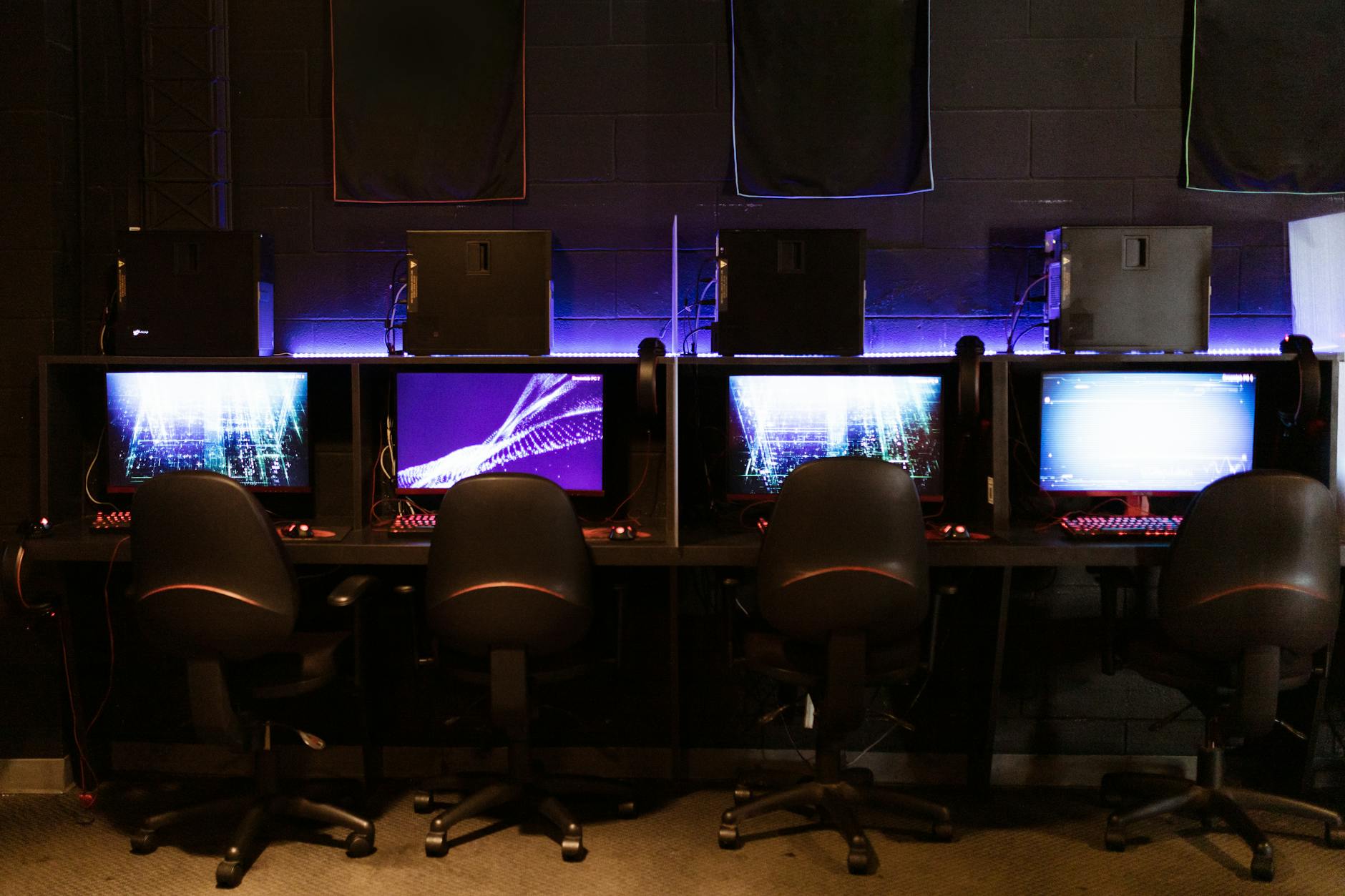
At the heart of online gaming infrastructure is server architecture. Game developers must choose between dedicated servers, cloud-based solutions, and peer-to-peer networks. Dedicated servers offer stability and control, making them ideal for competitive gaming environments. For instance, games like “Counter-Strike: Global Offensive” rely on dedicated servers to ensure low latency and high performance.
Cloud gaming solutions, such as those offered by Google Stadia or NVIDIA GeForce NOW, provide flexibility and scalability. They allow players to stream high-quality games without needing powerful hardware. However, this model is dependent on robust internet connections, highlighting the importance of bandwidth and latency considerations.
Networking and Latency Management
Networking plays a crucial role in online gaming infrastructure. The speed and reliability of the internet connection can significantly affect the gaming experience. Latency, or the time it takes for data to travel between players and servers, is a critical factor. High latency can result in lag, which is detrimental to gameplay.
Game developers often implement techniques such as lag compensation algorithms and regional server distribution to mitigate latency issues. For example, popular battle royale games like “Fortnite” use a technique called client-side prediction to minimize the effects of lag, enhancing the player experience.
Security Considerations
As online gaming grows, so does the risk of cyber threats. Protecting user data and preventing cheating are paramount. Security measures must be integrated into the infrastructure from the ground up. Techniques such as DDoS protection, encryption, and anti-cheat systems help safeguard both the players and the integrity of the game.
Using platforms like Valve Anti-Cheat (VAC) or BattlEye can effectively manage cheating and maintain a fair gaming environment. This not only enhances player trust but also ensures longevity and engagement with the game.
Future Trends and Technologies
The future of online gaming infrastructure is poised for significant change. Emerging technologies such as 5G networks promise to revolutionize the experience by offering faster speeds and lower latency. This advancement could lead to more immersive experiences, even in mobile gaming.
Moreover, the incorporation of artificial intelligence in gameplay and infrastructure management is on the rise. AI can enhance matchmaking systems, optimize server loads, and streamline player interactions, thereby enriching the overall gaming experience.
Overall, understanding online gaming infrastructure is crucial for anyone involved in the industry. Whether you are a developer, a gamer, or a stakeholder, recognizing the intricacies of server architecture, networking, security, and future trends will help navigate this dynamic and evolving landscape.