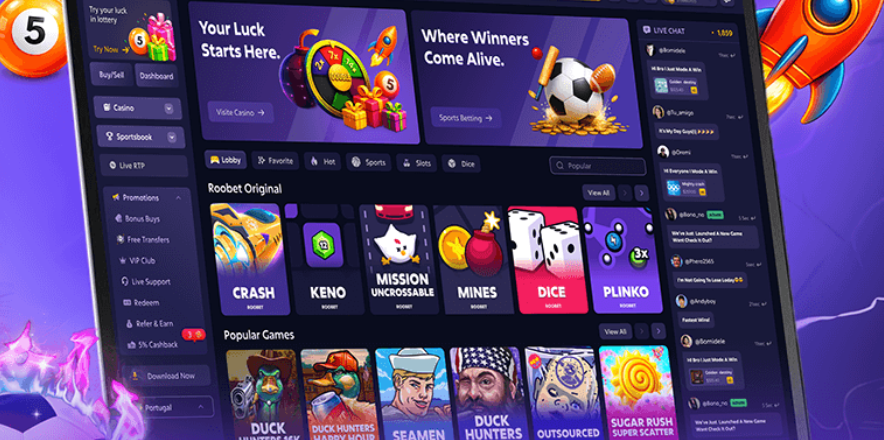
Introduction to Real-Time Multiplayer Technology
In recent years, gaming has evolved significantly, driven by advancements in technology. Real-time multiplayer tech is at the forefront of this transformation, enabling players from around the globe to engage in interactive experiences simultaneously. This technology facilitates seamless communication and interaction, allowing for immersive gameplay that was previously unimaginable.
How Real-Time Multiplayer Works
At its core, real-time multiplayer technology relies on a combination of client-server architecture and peer-to-peer networking. In a client-server model, players connect to a central server that processes their actions and sends updates back to all participants. This ensures a consistent game state across all players.
Alternatively, peer-to-peer networking allows players to connect directly with one another, reducing latency and potentially enhancing performance. However, this model can be more vulnerable to issues such as cheating and network instability.
Key Technologies Behind Real-Time Multiplayer
Several technologies contribute to the functionality of real-time multiplayer experiences. WebSockets provide a persistent connection between the client and server, enabling continuous data exchange. This is essential for delivering real-time updates and interactions in games.
Additionally, cloud computing has revolutionized the scalability of multiplayer games. By leveraging cloud servers, developers can manage large numbers of players and dynamically allocate resources based on demand. This flexibility is crucial for maintaining performance during peak usage times.
The Impact of Latency
Latency, the delay between a player’s action and the server’s response, is a critical factor in real-time multiplayer tech. High latency can lead to frustration and negatively impact the gaming experience. Developers employ various techniques to mitigate latency, such as optimizing data packets, using predictive algorithms, and locating servers closer to player regions.
Challenges in Real-Time Multiplayer Development
While the benefits of real-time multiplayer tech are clear, developers face numerous challenges. Ensuring synchronization among players is complex, particularly in fast-paced games where quick reflexes are required. Additionally, maintaining security against cheating and hacking is an ongoing battle, necessitating robust anti-cheat measures.
Future Prospects
The future of real-time multiplayer technology is promising, with innovations on the horizon. Developments in 5G technology will likely enhance connectivity, allowing for smoother and more responsive gameplay experiences. Furthermore, advancements in artificial intelligence could lead to more dynamic and intelligent non-player characters, enriching the overall gameplay.
Conclusion
Real-time multiplayer technology continues to shape the gaming landscape, fostering connections among players worldwide. Understanding its workings, challenges, and future potential can provide valuable insights for both developers and gamers alike. As technology progresses, the possibilities for real-time multiplayer experiences are bound to expand, creating new avenues for interactive entertainment.