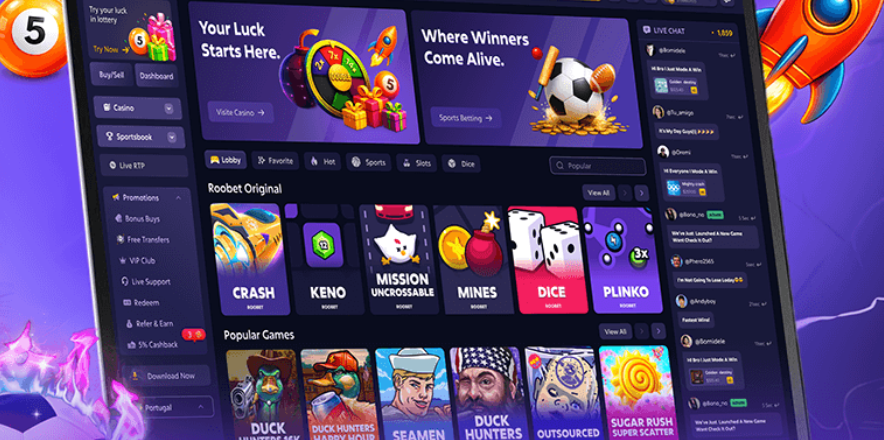
The first time I seriously looked into how online gaming platforms operate, I realized something simple but important: what players see is just the surface. Clean interfaces, spinning reels, live odds updating in real time, flashy animations. But behind all of that is a structured system built on data modeling, probability engines, cloud infrastructure, and automated risk controls.
It is easy to think that online gaming platforms are just websites with games attached. They are not. They are layered digital systems that function more like financial platforms than casual entertainment sites.
Over the years, as I explored different platform architectures and industry reports, I started noticing patterns. Whether it is a digital casino or a sportsbook, the backbone is surprisingly consistent.
The Front End Is Only the Tip of the Iceberg
What players interact with is called the front end. This includes:
- Game visuals
- User dashboards
- Wallet balance displays
- Deposit and withdrawal interfaces
- Live betting screens
This layer is designed for speed and clarity. Studies show that even a one-second delay in page response time can significantly reduce user engagement. In gaming environments, milliseconds matter even more because outcomes update in real time.
But the front end is only communicating with something deeper: the back end.
The Back End Is Where Everything Happens
Behind the scenes, gaming platforms rely on complex server-side systems. These systems handle:
- Account authentication
- Transaction processing
- Random number generation
- Odds calculation
- Risk exposure management
- Fraud detection
For example, in online casino games, outcomes are generated by what is known as a Random Number Generator. These are algorithmic engines designed to simulate unpredictability. In regulated markets, these systems are often audited by third-party testing laboratories to verify fairness and statistical consistency.
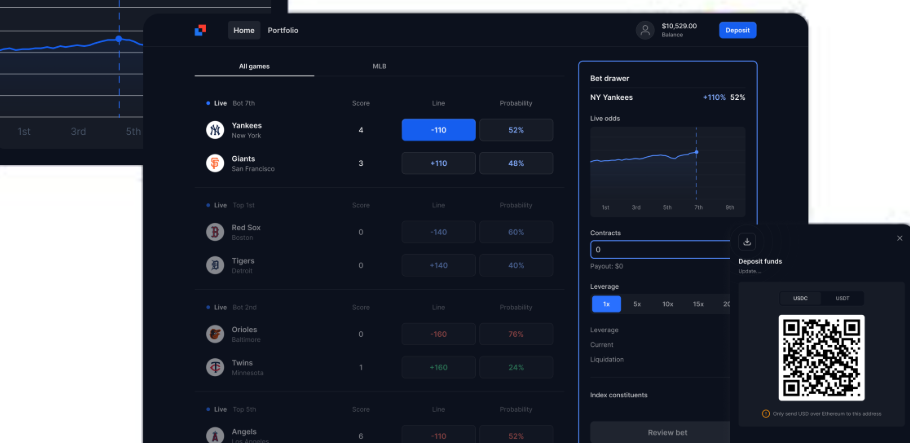
In sportsbook platforms, it becomes even more complex. Odds are not static. They move constantly based on:
- Player activity
- External market data
- Event progression
- Risk exposure on each side of a bet
Behind every odds update is an algorithm calculating probability shifts and financial exposure in real time.
Cloud Infrastructure and Scalability
Modern gaming platforms cannot rely on a single physical server. Traffic spikes during major events can be massive. For example, global tournaments or championship matches can bring millions of simultaneous users to a single ecosystem.
To handle this, platforms use cloud-based infrastructure. This allows them to scale resources dynamically. When traffic increases, additional server capacity activates automatically. When activity drops, resources scale down to reduce costs.
This elasticity is one of the main reasons online gaming has expanded so quickly over the past decade. Without scalable cloud systems, platforms would crash under peak demand.
Payment Systems and Financial Routing
One of the most critical components behind the scenes is payment processing.
Online gaming platforms integrate multiple payment gateways, including:
- Card processors
- Digital wallets
- Bank transfers
- In some regions, cryptocurrency systems
Each transaction must go through verification layers:
- Identity checks
- Anti-fraud filters
- Risk scoring
- Transaction monitoring
Because these platforms handle high transaction volumes, their systems often resemble financial technology platforms more than gaming websites.
In fact, global online gambling revenue has been estimated in the tens of billions of dollars annually. Managing that scale requires structured financial routing systems and automated monitoring.
Risk Management Engines
This is the part many users never think about.
Every platform needs to manage risk exposure. If too many users place bets on one side of an event, the platform could face heavy losses. To avoid imbalance, systems automatically adjust odds or limits.
These risk management engines analyze:
- Betting patterns
- Historical data
- User behavior
- Market movements
Some platforms even use AI-driven models to flag unusual behavior. For example, coordinated betting or suspicious transaction patterns can trigger automated reviews.
This is not random. It is structured modeling.
Data and Behavioral Analytics
Modern platforms collect large amounts of non-personal behavioral data. This helps them understand:
- Session duration
- Preferred game types
- Bet sizing patterns
- Peak activity hours
With this data, systems optimize user experience. They adjust recommendation engines, personalize dashboards, and refine performance.
From a technical standpoint, this is very similar to other large-scale digital ecosystems. E-commerce platforms, streaming services, and gaming environments all rely on behavioral modeling to improve retention.
Security and Compliance Layers
Another major component behind the scenes is regulatory compliance.
In licensed jurisdictions, platforms must implement:
- Age verification systems
- Know Your Customer procedures
- Anti money laundering monitoring
- Data protection protocols
Security architecture includes encrypted connections, firewall layers, and intrusion detection systems.
Because these platforms operate across multiple jurisdictions, they often adapt to different regulatory standards. This adds another layer of complexity to backend operations.
Why Structure Matters More Than Design
From the outside, most gaming platforms look similar. Bright graphics. Promotional banners. Live statistics. But the real difference lies in the structure underneath.
A well-built system:
- Processes transactions instantly
- Maintains stable uptime
- Balances risk exposure
- Protects user data
- Scales during high traffic events
A poorly built system experiences delays, payment issues, downtime, and security vulnerabilities.
After exploring multiple platform architectures and industry insights, I realized that online gaming environments are not just entertainment websites. They are engineered ecosystems built on layered digital infrastructure.
The Bigger Picture
The online gaming industry continues to grow as mobile adoption increases and digital payments become more accessible worldwide. What makes this growth sustainable is not just demand, but architecture.
Behind every spin, every live odds update, and every transaction is a coordinated system of servers, algorithms, and financial routing layers working together in milliseconds.
Understanding how these platforms run behind the scenes changes the way you see them. It shifts the perspective from simple games to structured digital systems built on modeling, probability, and scalable infrastructure.
And once you see that structure, you start realizing that the real game is not only what happens on the screen, but what happens underneath it.