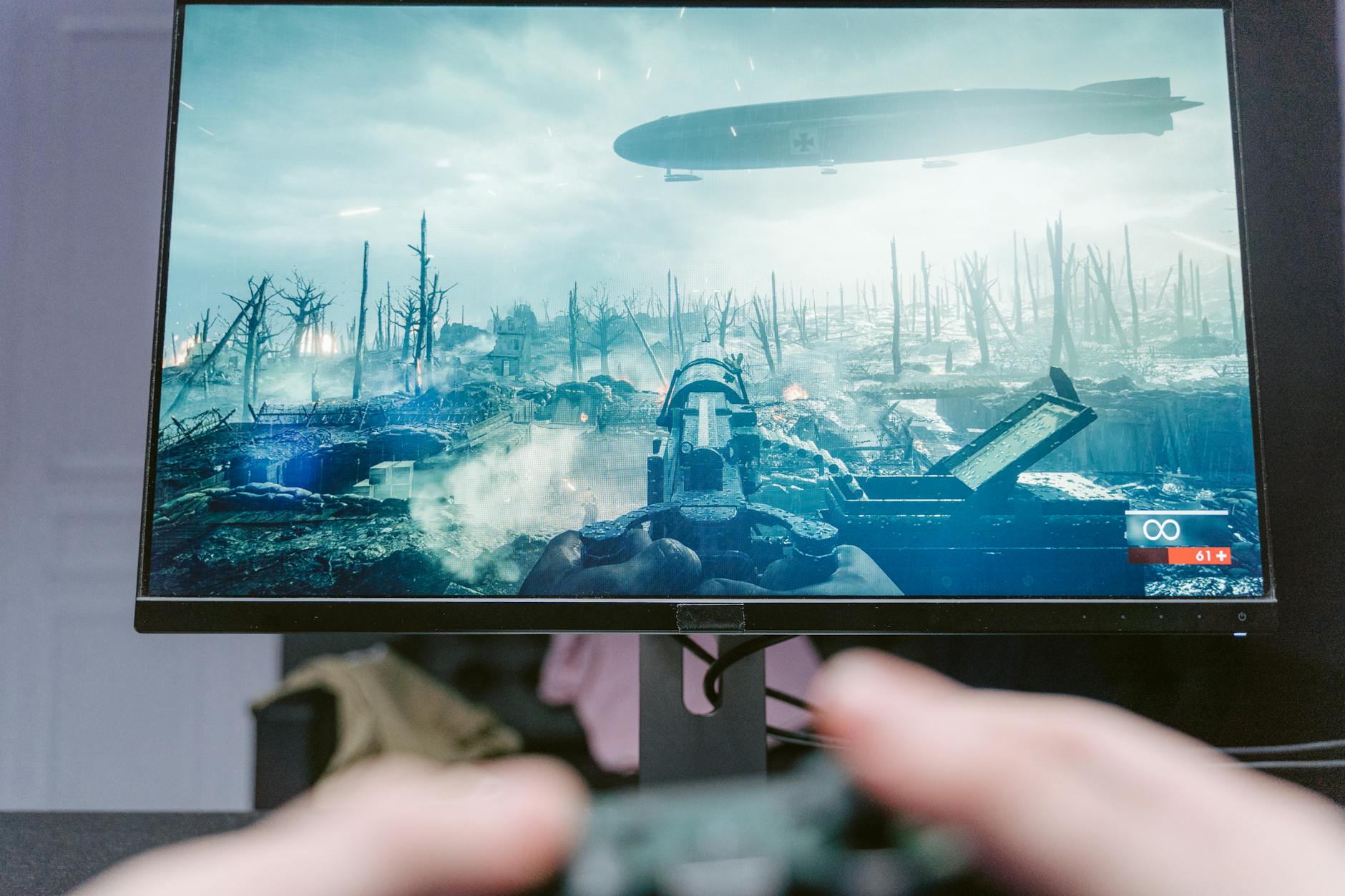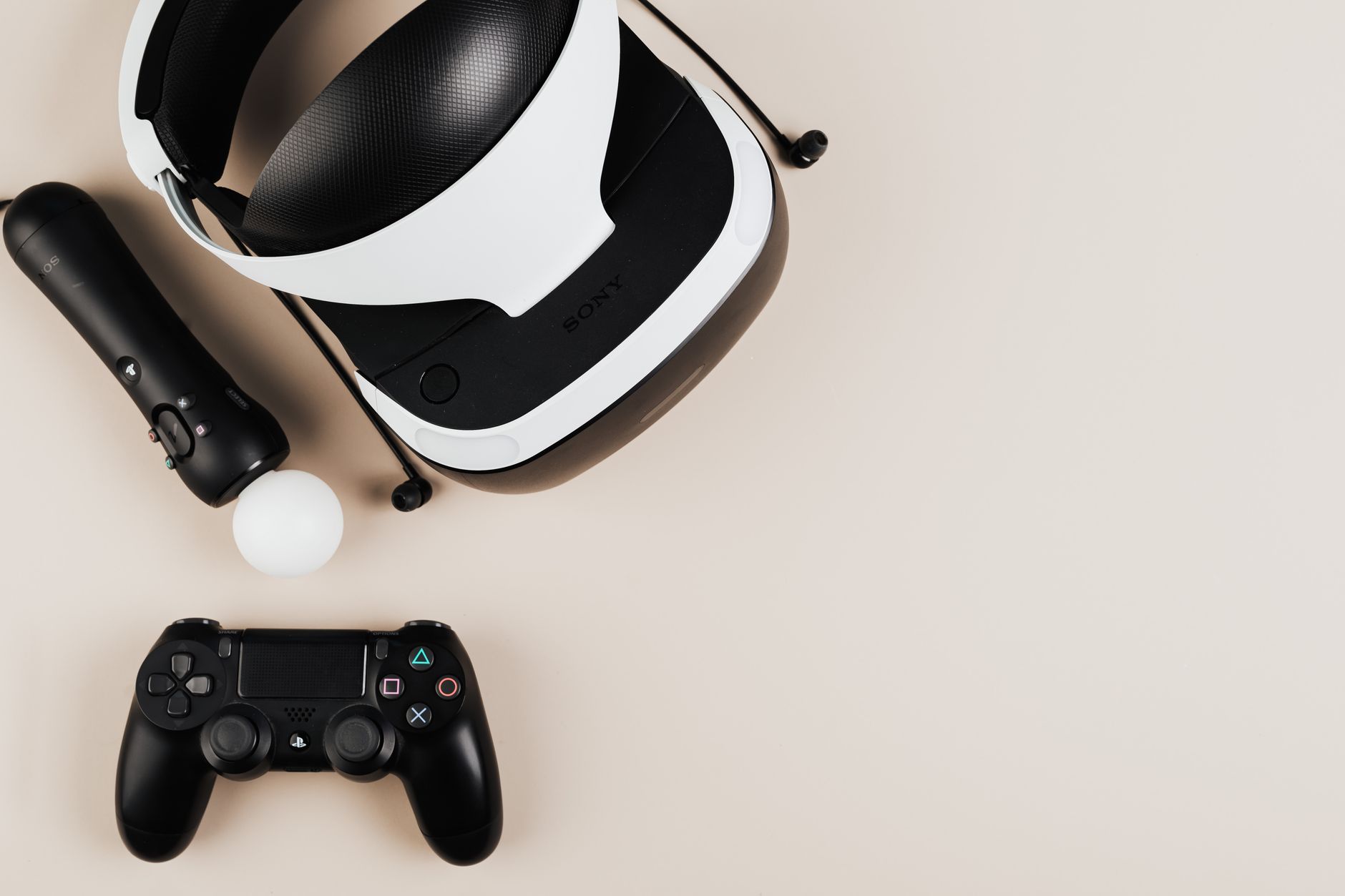
The landscape of gaming has radically transformed with the advent of cloud gaming technology. This innovative approach allows players to stream games directly from remote servers, eliminating the need for high-end hardware. Users can now play graphically intensive games on devices that would otherwise be inadequate, such as smartphones or low-spec PCs, thus democratizing access to gaming.
As cloud gaming continues to evolve, understanding its implications, benefits, and the underlying technology becomes crucial for enthusiasts and developers alike.
Understanding the Technology Behind Cloud Gaming
Cloud gaming operates on a client-server model where the game runs on powerful servers in data centers, and the video and audio output are streamed to the user’s device. This process requires a robust internet connection, typically at least 15-25 Mbps for optimal performance. Latency is a critical factor; even a few milliseconds can affect gameplay, especially in fast-paced genres like first-person shooters.
Leading companies such as Google with Stadia, Microsoft with Xbox Cloud Gaming, and NVIDIA with GeForce NOW are investing heavily in this technology. These platforms utilize advanced encoding techniques to compress video streams, ensuring high-quality graphics with minimal delay. For instance, NVIDIA’s RTX technology enhances graphics performance, enabling ray tracing in streamed games.
Current Trends in Cloud Gaming
The rise of subscription models is one of the most significant trends in cloud gaming. Services like Xbox Game Pass Ultimate offer access to a wide library of games for a monthly fee, making it financially attractive for gamers. Additionally, the integration of social features, such as multiplayer capabilities and community engagement tools, enhances the user experience.
Another notable trend is the expansion of cloud gaming to emerging markets. With mobile internet access increasing globally, gaming companies are adapting their services to cater to these regions. For example, platforms are optimizing their applications for lower bandwidth connections, ensuring that players in less developed areas can still enjoy high-quality gaming experiences.
Challenges Facing Cloud Gaming
Despite its potential, cloud gaming faces challenges that could hinder its growth. High-speed internet access is still a barrier in many areas, making it difficult for everyone to utilize these platforms effectively. Furthermore, data privacy concerns and the need for substantial data consumption could deter users.
Moreover, the industry must address issues of game ownership and digital rights. As games are stored on remote servers and accessed via subscriptions, players might feel a lack of ownership compared to traditional gaming. This shift will require a re-evaluation of policies around digital purchases and licensing.
The Future of Cloud Gaming Technology
Looking ahead, advancements in 5G technology hold the promise of revolutionizing cloud gaming. With greatly reduced latency and higher speeds, 5G networks could provide the seamless gaming experience that cloud platforms strive to achieve. Additionally, the potential for AR and VR integration could open new dimensions for gaming, allowing for immersive experiences that were previously unattainable.
In summary, cloud gaming technology is reshaping the gaming industry, making it more accessible and versatile. As technology continues to advance, it is essential for players and developers to stay informed about trends, challenges, and future possibilities in order to fully embrace this exciting evolution in gaming.